
Uttar Pradesh · on the Ganga
The city where fire, water and mortality meet in the open.
Tradition
Varanasi (Kashi) is held to be one of the oldest continuously inhabited cities and among the holiest sites for moksha — dying or being cremated here is believed to free the soul from rebirth.
Symbolism
The ghats along the Ganga represent a threshold between the living world and what comes after; the eternal flame at Manikarnika Ghat is said to have burned for centuries without going out.
Psychology
A city built around open, visible death and mourning normalises grief as a public, shared process rather than something hidden — visitors often describe this openness as reframing their own fear of death.
Ayurveda
Traditional texts describe Kashi as a place where the elements (fire, water, air) are especially active, and recommend specific conduct and diet for pilgrims staying here.
Evidence
Historians confirm continuous settlement and ritual use of the ghats for well over a thousand years; there is no way to empirically evaluate claims about moksha itself.
What we don't yet know
Whether dying in a specific city has any effect beyond its psychological and cultural meaning to the individual is a question of faith, not evidence.


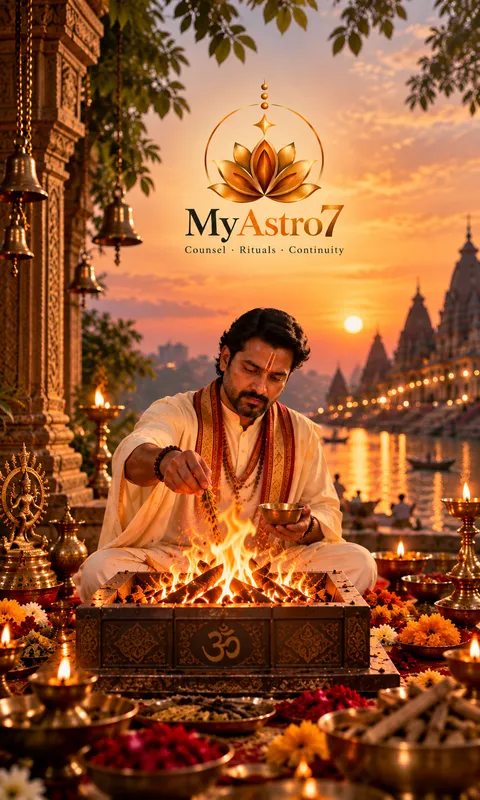
An evening fire ritual performed at Dashashwamedh Ghat with lamps, chanting and drums, offered to the river.

Cremation rites performed at Manikarnika and Harishchandra Ghats, considered auspicious for liberating the soul.

A ritual bath at sunrise, believed to cleanse both body and past actions.
October to March, when temperatures are cooler and the evening aarti crowds are more manageable.
Served by Lal Bahadur Shastri International Airport and Varanasi Junction, one of India's major rail hubs, with direct trains from most large cities.
—