
Mundan: The First Haircut
Why families shave a child's first hair, when it is traditionally done, and what the ceremony is really asking for on the child's behalf.
 Pandit Mahesh Joshi
14 March 2025 · 3 min read
Pandit Mahesh Joshi
14 March 2025 · 3 min read

Of the sixteen sanskaras, the life-cycle rites described in the Grihya Sutras, mundan is one of the most visible and one of the most misunderstood. Families arrive with a small child, a barber, a priest and a great deal of emotion, and leave with a shaved head and a sense that something has been completed. What exactly has been completed is worth explaining.
The classical name is chudakarana, the rite of the tuft. In the older texts it is performed in the first or third year of life, sometimes the fifth, and its purpose is stated plainly: to remove the hair the child was born with and to pray for long life, health and clarity of mind. It is a blessing ceremony, not a medical procedure, and it was never presented as one.
What the ceremony actually involves
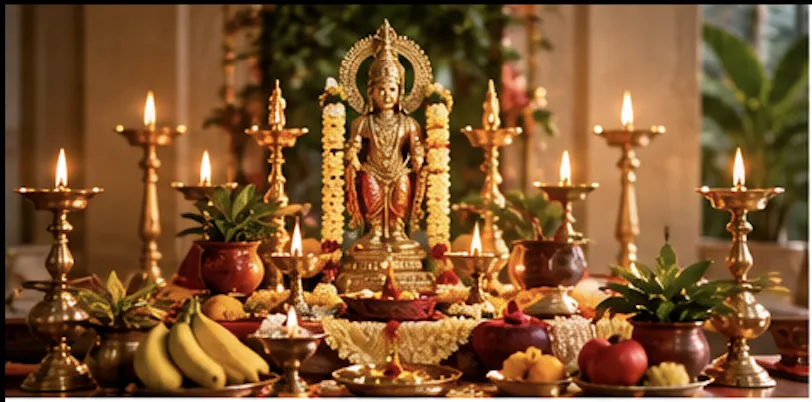
A mundan begins with sankalpa, the formal statement of intention in which the parents name the child, the family lineage, the place and the date, and declare why the rite is being done. Ganesha is invoked first, as in most Vedic ceremonies, so that the work proceeds without obstruction. A small havan, a fire offering, is often included, with ghee and grains offered while mantras for longevity are recited.
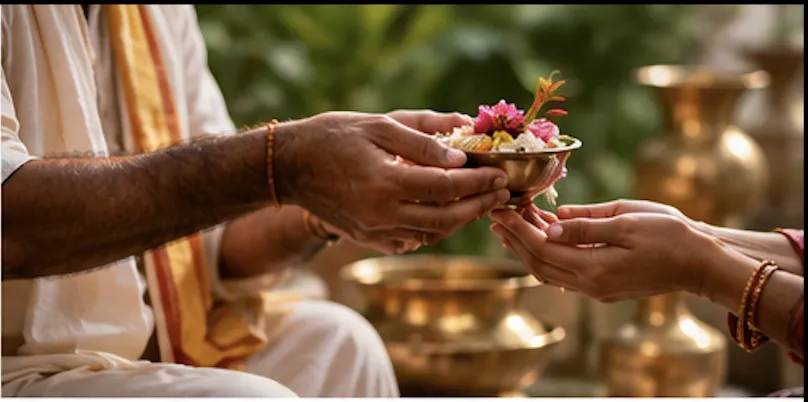
The hair is then wetted with water, sometimes mixed with curd or a little butter, and the first locks are cut by the father or the priest while specific verses are spoken. Only after this does the barber complete the shaving. In many families a small tuft, the shikha, is left at the crown. The hair itself is not thrown away casually; it is usually offered into a river, buried near a tree, or given at a temple.
Choosing the day
Muhurat, the selection of an auspicious time, matters to families here, and a priest will look at the tithi (the lunar day), the nakshatra (the lunar mansion the Moon occupies) and the weekday. Certain months are traditionally avoided, and many families prefer the bright half of the lunar month. These preferences vary by region and by family custom, and a good practitioner will ask about your family's practice before imposing a general rule.
It is also perfectly acceptable to choose a time that suits the child. A feverish, exhausted toddler at the end of a long drive is not well served by a technically perfect hour. Tradition allows a range of good windows precisely so that the ceremony can accommodate real life.
A mundan is a blessing spoken over a child, not a guarantee written for one.
What it does not do
It is sometimes claimed that the first haircut makes hair grow thicker, cures illnesses or removes the effects of past lives. None of these is a sound reason to perform the rite, and none should be promised. If a child has a scalp condition, a fever or any health concern, a paediatrician is the right person to consult, and the ceremony can wait until the child is well.
What the rite does offer is meaningful in its own terms. It marks a threshold, gathers the family around a small person, and places them inside a long line of people who have done the same thing for the same reasons. That is not a small thing.
If you are planning a mundan, decide early whether you want it at home, at a temple or at a pilgrimage town, and tell the priest about any family customs regarding the shikha or where the hair is offered. Keep the ceremony short for very young children, have a towel, warm water and a change of clothes ready, and let the barber be someone the child can tolerate. The rest a practitioner can guide on the day.
Vedic counsel and ritual are traditional and complementary practices — they sit alongside professional medical, legal and financial advice, never as a substitute for it.