
Samagri: Why Ritual Materials Matter
Ghee, darbha, rice and wood are not props. A practitioner explains why each material has a role, and where substitution is acceptable.
 Pandit Mahesh Joshi
26 May 2026 · 3 min read
Pandit Mahesh Joshi
26 May 2026 · 3 min read
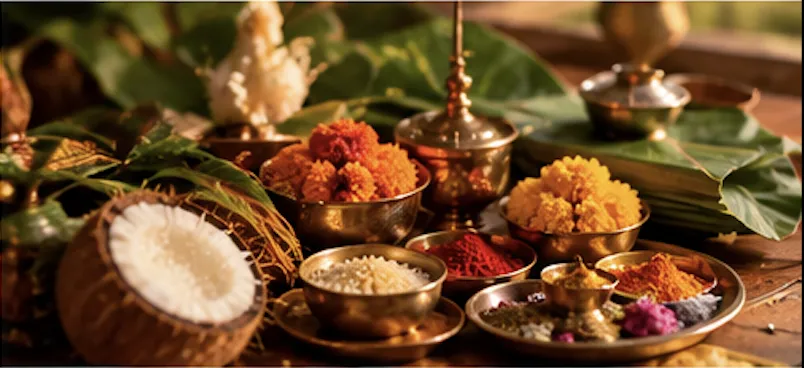
Samagri is the word for the materials used in a ritual: ghee, grains, flowers, wood, grass, cloth, metals, water and the rest. To the newcomer it can look like a long shopping list. To a practitioner, each item has a reason to be there, and the quality and correctness of the samagri are part of whether the rite is done well.
In Rishikesh, where I perform havans almost daily, I see the full range: families who arrive with carefully sourced materials, and families handed a plastic packet at a shop with half the items missing or substituted. Both deserve an explanation of what actually matters.
Each item has a function
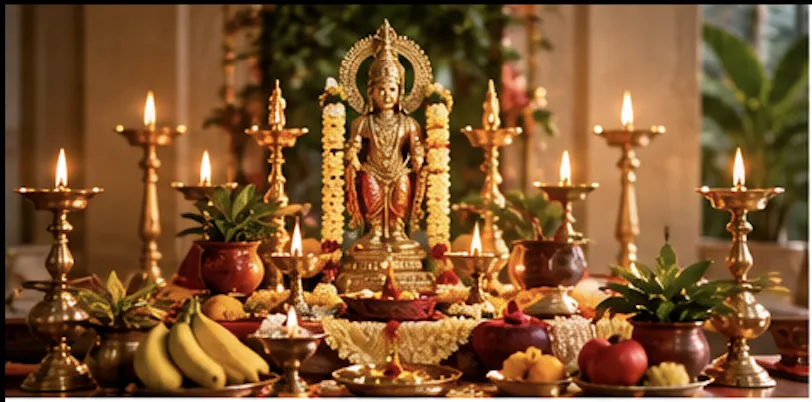
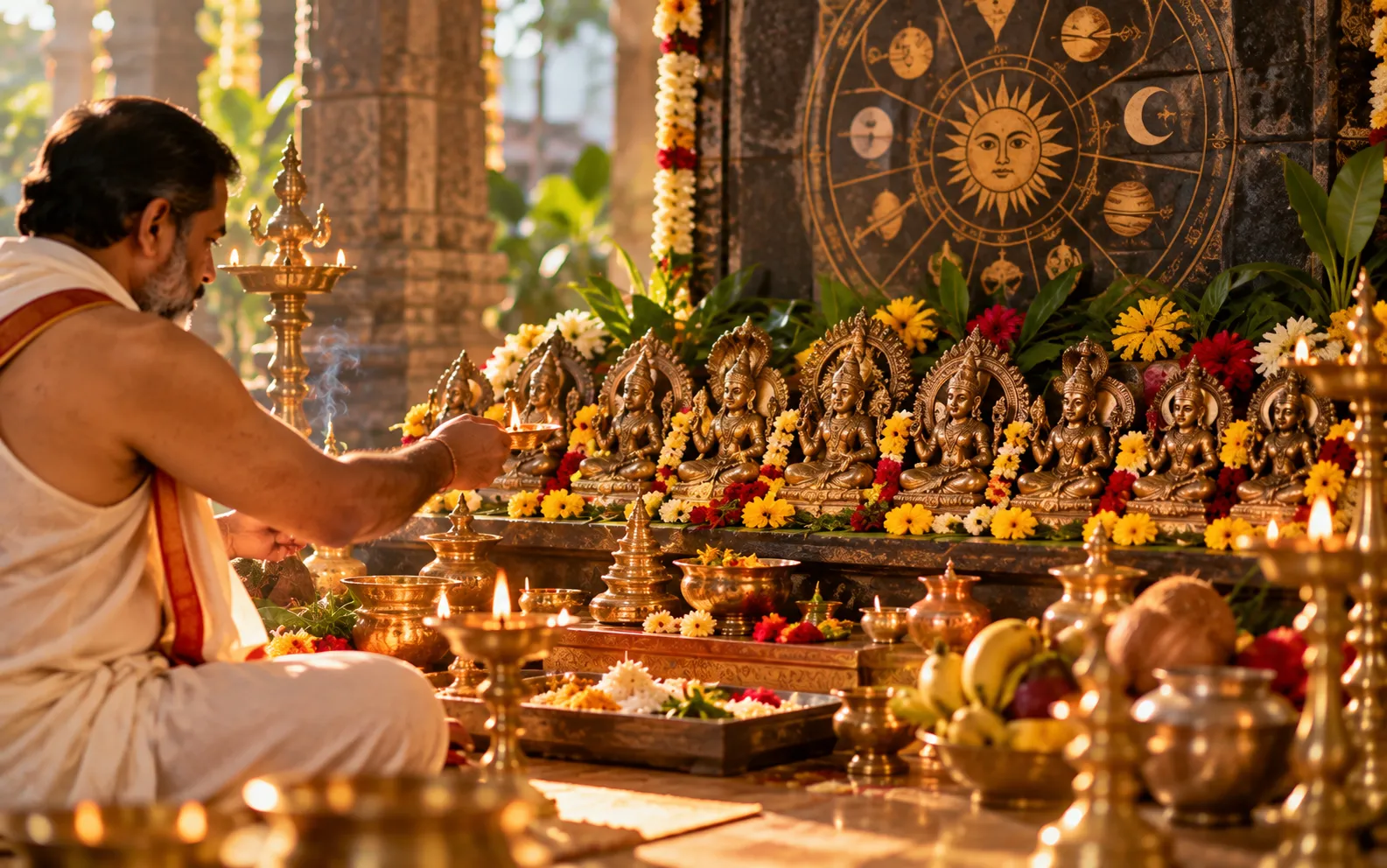
In a havan, the fire offering, ghee is the primary oblation. It is regarded as the purest offering to Agni, the fire, and it is also simply practical: it burns cleanly and keeps the fire alive. Samidha, the small sticks of specific woods such as mango, peepal or palash, are the fuel. Darbha or kusha grass is used to purify the space and the hands, and is woven into a ring, the pavitri, worn by the performer.
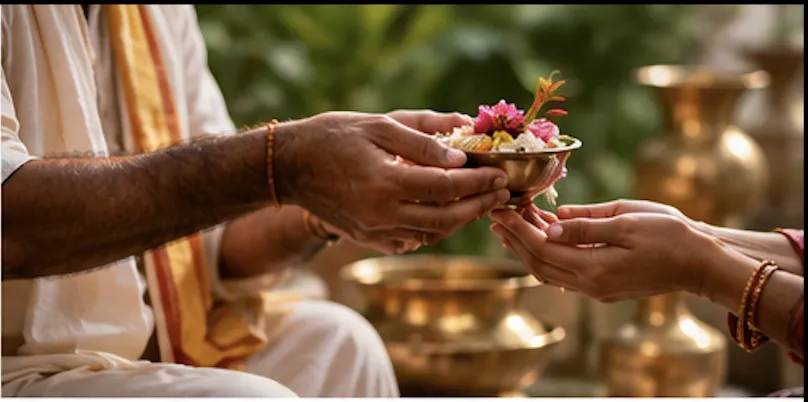
Akshata, unbroken rice usually coloured with turmeric, stands for wholeness. Flowers, sandal paste, incense and lamps make up the upacharas, the services offered to a deity as one would offer hospitality to an honoured guest. Specific rites add their own items: black sesame for ancestral rites, bilva leaves for Shiva, tulsi for Vishnu.
Quality is not vanity
Adulterated ghee smokes, smells and does not burn properly. Damp wood will not catch. Broken rice is, by the tradition's own logic, the wrong offering for a rite that asks for wholeness. These are not superstitions about purity; they are practical and symbolic standards that a careful practitioner keeps.
There is also a question of respect. Offering the best one can reasonably afford, rather than the cheapest available, is part of the attitude of the rite. This does not mean extravagance. It means care.
Samagri is the visible form of the attention a family brings to a rite.
When substitution is acceptable
The tradition is more flexible than many people think. The texts themselves allow substitutes when a specified item is unavailable: one wood for another, akshata in place of a missing grain, a simple mental offering, manasa puja, when nothing physical is possible. Families abroad often cannot find darbha grass or particular woods, and a knowledgeable priest will tell you what is an acceptable alternative.
What should not be substituted carelessly is anything central to the specific rite. A shraddha without sesame, or a Rudrabhishek without water, has lost something essential. Your priest should tell you which items are essential and which are customary.
Sourcing and afterwards
Good samagri is usually available from established puja stores, temple shops or through the practitioner. Ask what is included in a ready-made kit before you rely on it. And think about what happens afterwards: ash from a havan, used flowers and leftover offerings are traditionally returned to water, soil or a tree. Many families now avoid releasing plastic or synthetic dyes into rivers, which seems entirely in keeping with the spirit of the rite.
The practical advice is this. Ask your priest for a written samagri list at least a week in advance, with notes on which items are essential and acceptable substitutes. Buy ghee and grains from a source you trust. And keep everything together in one clean tray on the day, so the rite is not interrupted by a search for the camphor.
Vedic counsel and ritual are traditional and complementary practices — they sit alongside professional medical, legal and financial advice, never as a substitute for it.