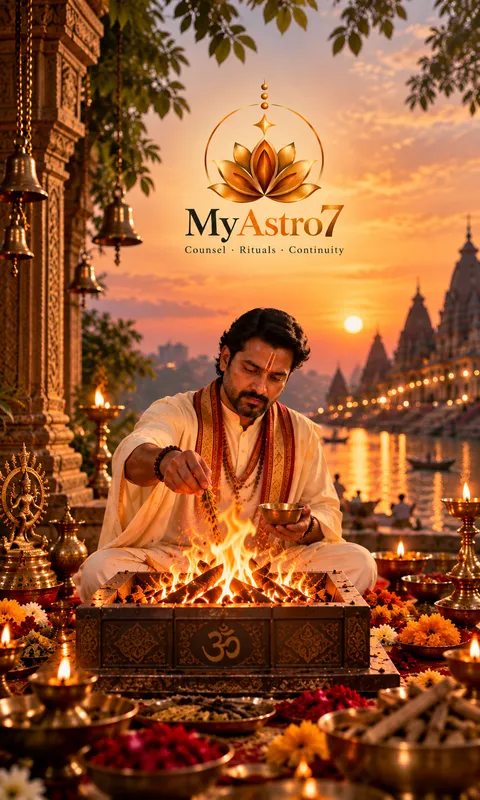
Shraddha and Pind Daan: Remembering Ancestors
Shraddha is less about appeasing the dead than about a family deliberately remembering them. What the rite involves, and what it does not claim.
 Pandit Suresh Tripathi
3 October 2024 · 3 min read
Pandit Suresh Tripathi
3 October 2024 · 3 min read
The word shraddha comes from shraddha, faith or sincere regard. It names the rites a family performs for its departed ancestors, the pitrs, and the root meaning already tells you what matters most. The rite is valid because it is done with care and sincerity, not because it is expensive or elaborate.
In Haridwar, families come to me at every stage of grief. Some arrive within days of a death, some on the annual anniversary, some during Pitru Paksha, the fortnight in the lunar month of Bhadrapada set aside for ancestors. Many arrive anxious, having been told that something terrible will follow if a rite is missed. I would like to address that anxiety directly.
What is actually performed
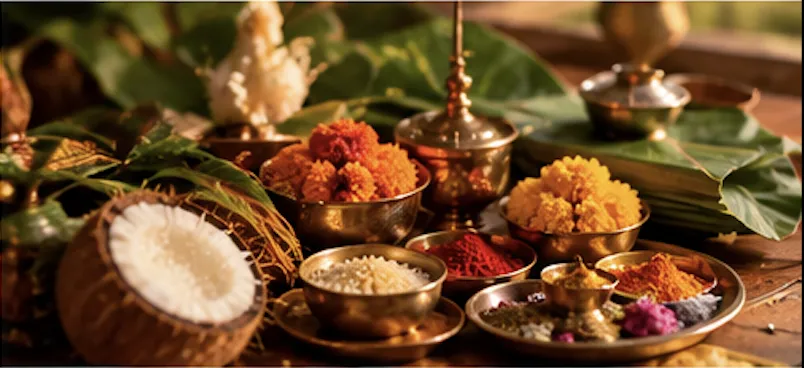
A shraddha begins with sankalpa, in which the performer, usually a son, daughter or close relative, names themselves, their gotra (the family lineage), the departed, and the purpose. Darbha grass, sesame seeds and water are central materials. Tarpana, the offering of water mixed with black sesame, is made with specific hand positions while the names of three generations of ancestors are recited.
Pind daan is the offering of pindas, small balls made of cooked rice, barley flour, sesame and ghee, placed on darbha grass and dedicated to the departed. The pindas are later given to cows, crows or a river. A meal is often offered to Brahmins or to those in need, which the texts treat as a way of feeding the ancestors through the living.
Where and when
Certain places, Gaya, Haridwar, Varanasi, Prayagraj among them, are traditionally regarded as especially suitable for pind daan. But the texts are equally clear that shraddha performed sincerely at home is valid. Families should not feel that grief must wait for travel.
The annual shraddha is usually fixed by the tithi, the lunar day, on which the person died, rather than the solar calendar date. During Pitru Paksha, a family may perform the rite on the corresponding tithi, or on Sarvapitri Amavasya, the new moon at the end of the fortnight, if the exact tithi is unknown.
The ancestors are not waiting to punish us; we are the ones who need to remember them.
What shraddha does not claim
You may hear that unperformed rites cause pitru dosha, a so-called ancestral affliction, which is then blamed for every difficulty in a family. This framing does more harm than good. Shraddha is an act of remembrance and gratitude, and of continuity across generations. It is not a debt collection and it is not insurance. If a family is struggling with health, money or relationships, those problems deserve proper professional attention alongside any rite.
It is also not true that only sons may perform shraddha. Practice varies by community, and many families now have daughters, spouses or grandchildren perform the rites. A practitioner can explain your family's tradition and the options within it.
If you are preparing for a shraddha, gather the names of your father's and mother's lines for three generations if you can, note the tithi of the death, and decide whether a shared meal or a donation will form part of the day. Then do the rite unhurriedly. The grief is real, and the rite is one of the few places where it is given a shape.
Vedic counsel and ritual are traditional and complementary practices — they sit alongside professional medical, legal and financial advice, never as a substitute for it.