
Ekadashi: The Logic of a Fasting Day
Twice a month, many households fast on the eleventh lunar day. Here is what the observance asks, what it allows, and where common sense comes first.
 MyAstro7 Editorial
26 November 2024 · 3 min read
MyAstro7 Editorial
26 November 2024 · 3 min read

Ekadashi is the eleventh tithi, or lunar day, of each fortnight. It arrives twice a month, once in the waxing half and once in the waning half, giving twenty-four in an ordinary year and twenty-six when an extra lunar month is added. For many Vaishnava households it is the most regular religious discipline they keep.
The observance is usually described as a fast, but it is better understood as a day set apart. Food is one part of it. Attention is the larger part.
What the fast actually involves
The classical rule is abstention from grains and pulses: rice, wheat, dal and their products. Some observe a complete fast, some take only water, many eat fruit, milk, nuts and certain tubers. Nirjala Ekadashi, in the month of Jyeshtha, is traditionally kept without even water, and it is the most demanding of the year. Vaikuntha Ekadashi, in the winter months, draws large crowds to Vishnu temples in the South.
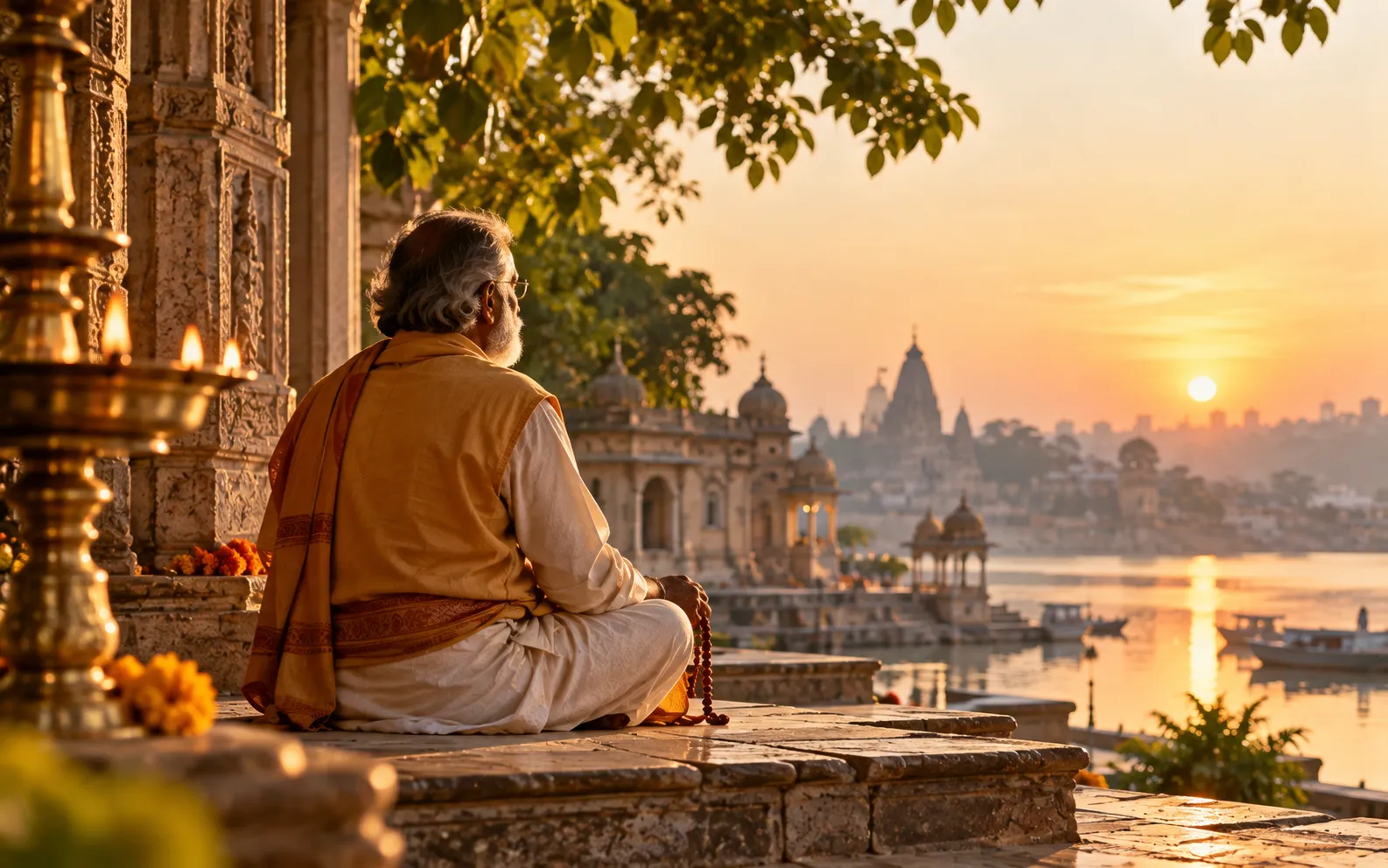
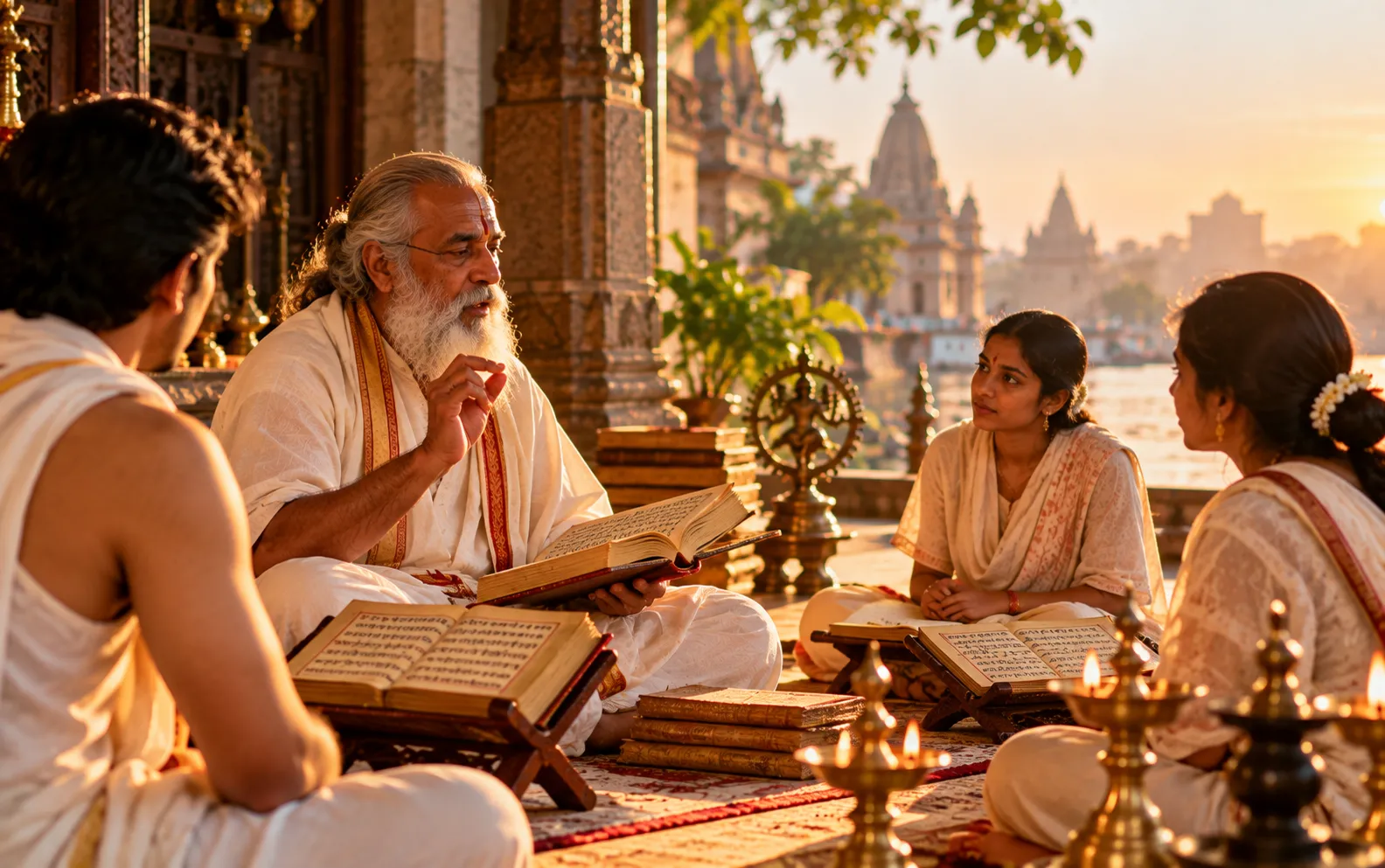
The day is meant to be spent with fewer distractions: japa, the quiet repetition of a mantra or divine name; reading or listening to scripture; visiting a temple; speaking less. A fast kept while working a long, irritable day and then overeating at night misses most of the point.
Why the date sometimes differs by a day
Families are often puzzled when two calendars list Ekadashi on consecutive days. The reason is a rule about sunrise. A tithi does not begin at midnight; it begins whenever the sun and moon reach a particular angle. Many Vaishnava traditions will not observe Ekadashi if even a trace of the previous tithi, dashami, is present at sunrise, and so they move the fast to the next day. Smarta calendars apply a different rule. Both are internally consistent. Choose the calendar your family or sampradaya follows and keep to it.
Equally important is parana, the breaking of the fast. It is done the next morning, on dwadashi, within a stated window. Breaking it too late is considered as much a lapse as breaking it early. A good panchang will give the parana time for your city.
A fast that leaves you short-tempered and careless has kept the letter of Ekadashi and lost its purpose.
Where health comes first
The tradition itself makes allowances. Children, the elderly, the unwell, pregnant and nursing women, and those whose work demands physical strength have always been permitted a lighter observance. If you have diabetes, low blood pressure, an eating disorder, or take medication that must be taken with food, speak to your doctor before attempting any fast, and treat their advice as binding. Vedic observance is meant to sit alongside medical care, never to replace it. A partial fast kept sincerely is not a lesser offering.
There are also practical ideas within the logic of the day. A regular, predictable pause from heavy food gives the body a rhythm; a fixed day of quiet gives the mind one. People who keep Ekadashi for years often say the discipline of planning for it matters as much as the day itself.
If you want to begin, start modestly. Mark the next two Ekadashis in your diary with their parana times, choose a level of fast you can actually sustain, and decide in advance what you will do with the hours you would normally spend eating or scrolling. Keep that for three months before adding anything stricter.
Vedic counsel and ritual are traditional and complementary practices — they sit alongside professional medical, legal and financial advice, never as a substitute for it.