Festivals as Family Anchors, From Diwali to Holi
The Hindu festival year gives families a rhythm of return. How to use the calendar from Diwali to Holi to hold a scattered family together.
 MyAstro7 Editorial
14 October 2025 · 3 min read
MyAstro7 Editorial
14 October 2025 · 3 min read
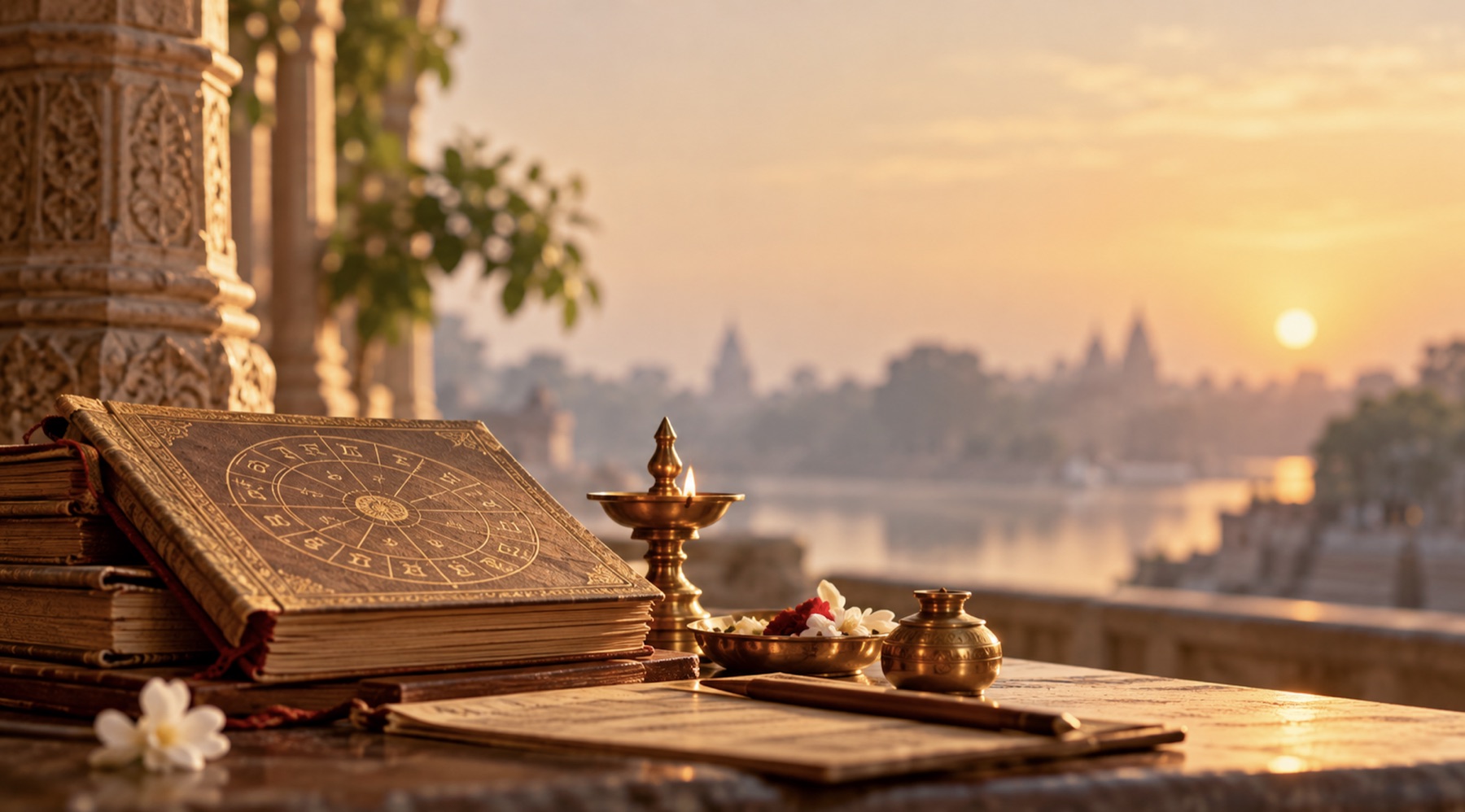
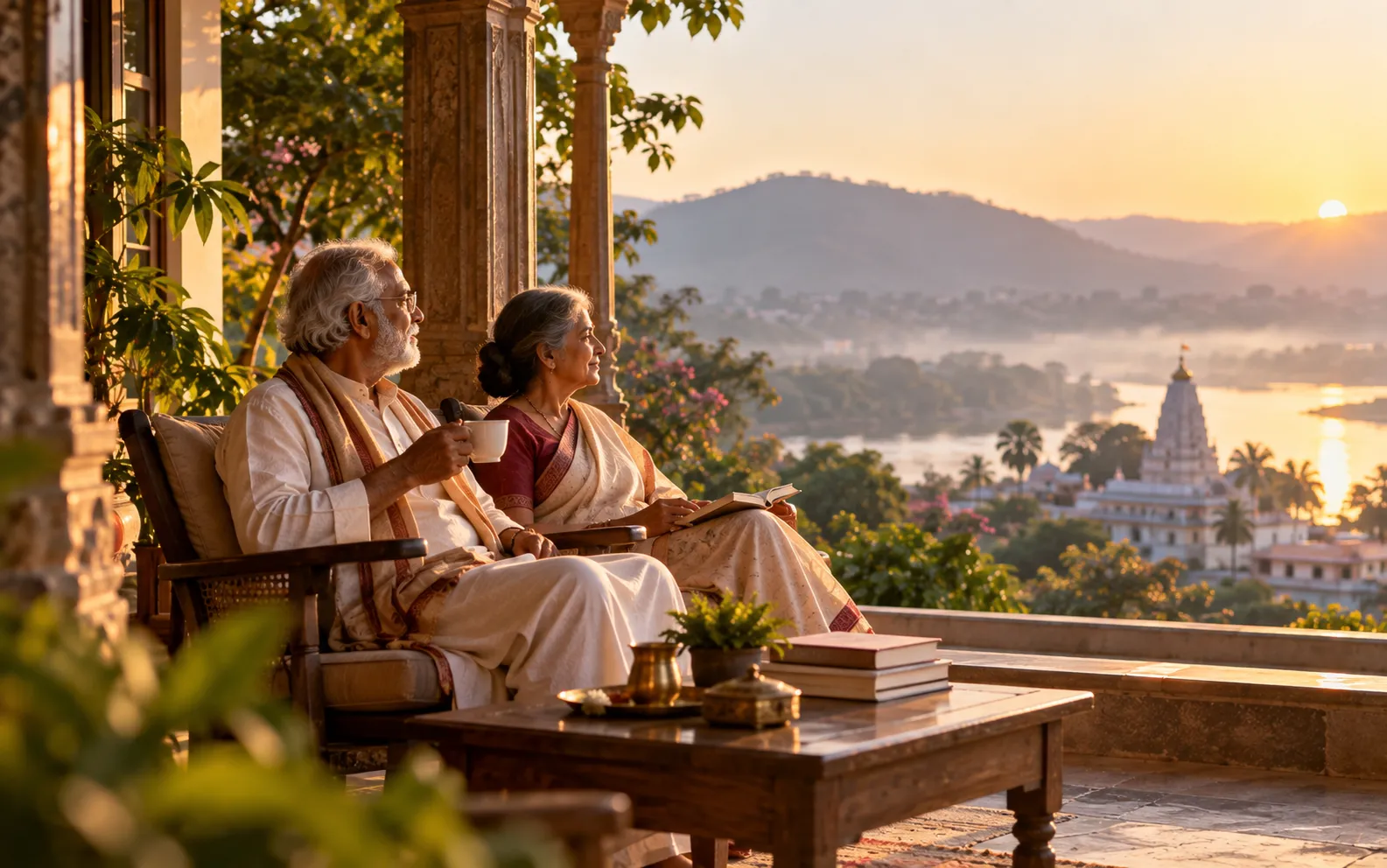
Families today are scattered. Children study in Bengaluru or Boston, parents live in Jaipur, cousins in Dubai. Ordinary weeks pass without much contact. Yet when Diwali approaches, phones light up, flights are booked and kitchens fill. The festival calendar does something few other things can: it gives families a recurring reason to return to each other.
It is worth thinking about this deliberately, because the festival year can be more than a series of holidays. It can be an anchor.
The rhythm of the year
The Hindu festival calendar follows the lunar months, and its major observances fall in a recognisable rhythm. After the monsoon come Raksha Bandhan and Janmashtami, then Ganesh Chaturthi and Pitru Paksha, the fortnight for ancestors. Navratri and Dussehra follow, then Karva Chauth in many northern homes, and Diwali in the month of Kartik, often with Bhai Dooj two days later. Winter brings Makar Sankranti, Lohri and Pongal. Then Maha Shivaratri, and finally Holi on the full moon of Phalguna, at the edge of spring.
Each festival carries a different emotional tone: devotion, remembrance, celebration, renewal. Together they give the year a shape.
Choosing your family's anchors
Few families can gather for every festival, and they need not try. It helps to choose two or three as fixed anchors, the occasions on which everyone makes every effort to be together, and to treat others as lighter observances that can be marked wherever one happens to be.
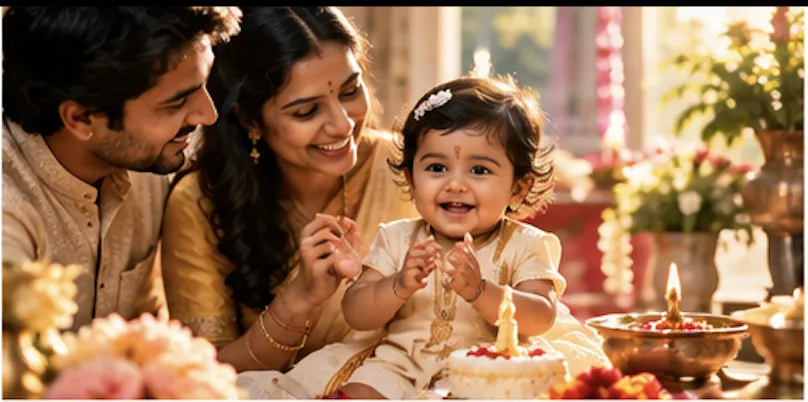
For many families, Diwali is the natural first anchor: the year's main gathering, with Lakshmi puja, a shared meal and the lighting of lamps. A second might be Holi in spring, or a regional festival such as Durga Puja, Onam or Pongal that carries particular meaning for the family. A third might be a family occasion rather than a festival, such as a grandparent's birthday or an annual shraddha.
A family that knows when it will next be together can bear the months apart more easily.
Keeping the anchors meaningful
The danger with any recurring occasion is that it becomes routine, or crowded with obligation. A few habits help. Keep one ritual element constant each year, the same puja, the same aarti, the same dish prepared by the same hands, so that the occasion has a recognisable core. Give each generation a role. Leave time for unhurried conversation, which is often what people remember most.
Festivals also offer natural moments for reconciliation. Holi, especially, has a long tradition of setting aside grievances. Many families find that a difficult conversation goes more gently on a day already devoted to colour and forgiveness.
When gathering is not possible
In some years, distance, work or health will keep people apart. A video call during the Lakshmi puja aarti, with each household lighting its lamps at the same local moment, is a good substitute. So is sending sweets, a rakhi or a handwritten card. The anchor holds as long as the family recognises it.
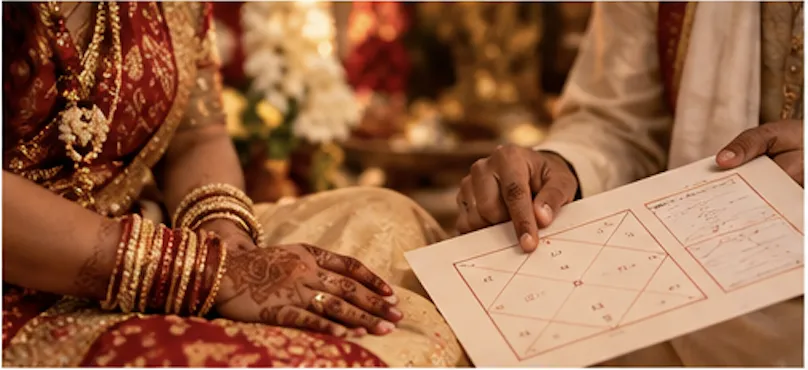
Sit down with your family before the coming festival season and agree on your two or three anchors for the year. Put them in everyone's calendar now, before work and travel claim the dates. A practitioner can help with muhurats and pujas, but the decision to gather is the family's own.
Vedic counsel and ritual are traditional and complementary practices — they sit alongside professional medical, legal and financial advice, never as a substitute for it.