A Child's First Birthday, the Vedic Way
Before the cake and balloons, many families mark a child's first year with ayush homam or abdapurti. What these rites involve and how to keep them simple.
 Pandit Rajendra Prasad Mishra
24 August 2026 · 3 min read
Pandit Rajendra Prasad Mishra
24 August 2026 · 3 min read
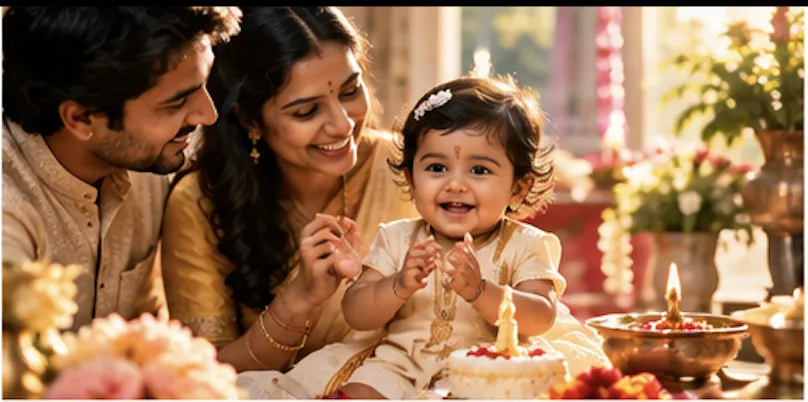
The first birthday is a joyful milestone in any culture. In many Indian homes it is also an occasion for a Vedic rite, quieter than the party that may follow but, to the grandparents at least, rather more important. In Lucknow I have performed these ceremonies for families of every kind, from large joint households to young couples in small flats, and the essence is always the same: gratitude for a year of life, and a prayer for many more.
The traditional observances
Different regions mark the day differently. In much of the north, families perform a havan with prayers for long life, often including the Ayushya Sukta or the Mahamrityunjaya mantra, a prayer to Shiva for health and protection. In South India, an Ayush Homam, a fire ritual offered to the deity of longevity, is common, and the day is often called abdapurti, the completion of the first year.
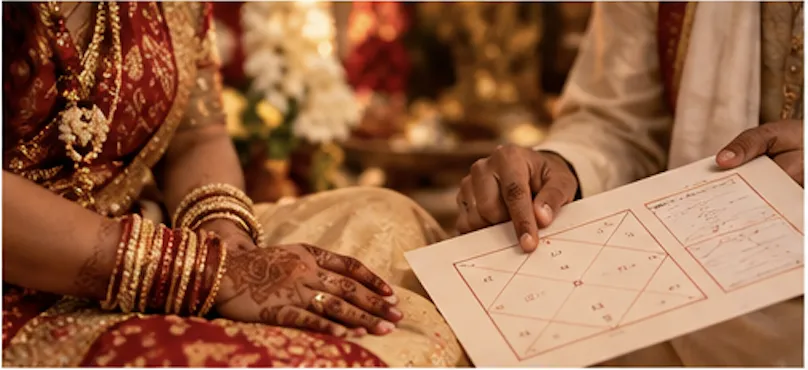
Many families calculate the birthday by the janma nakshatra, the lunar mansion of the child's birth, rather than the calendar date. This janma nakshatra birthday, or vardhanthi in some communities, can fall a few days before or after the Western date. Some families observe both: the Vedic rite on the nakshatra day, the party at the weekend.
Other customs of the first year
The first year often brings related samskaras, the rites of passage. Annaprashan, the first feeding of solid food, usually happens around the sixth month. Mundan, the first shaving of the head, is performed in some families in the first year and in others in the third or fifth. Some families combine one of these with the birthday rite to gather relatives only once.
In certain communities a playful custom accompanies the day: the child is placed before a tray of objects, a book, a pen, money, a musical instrument, and the family watches which one they reach for. It is meant in fun, and wise elders treat it so.
The rite does not ask for a perfect child or a perfect year, only for the family to stop and give thanks that the child is here.
Keeping it simple and meaningful
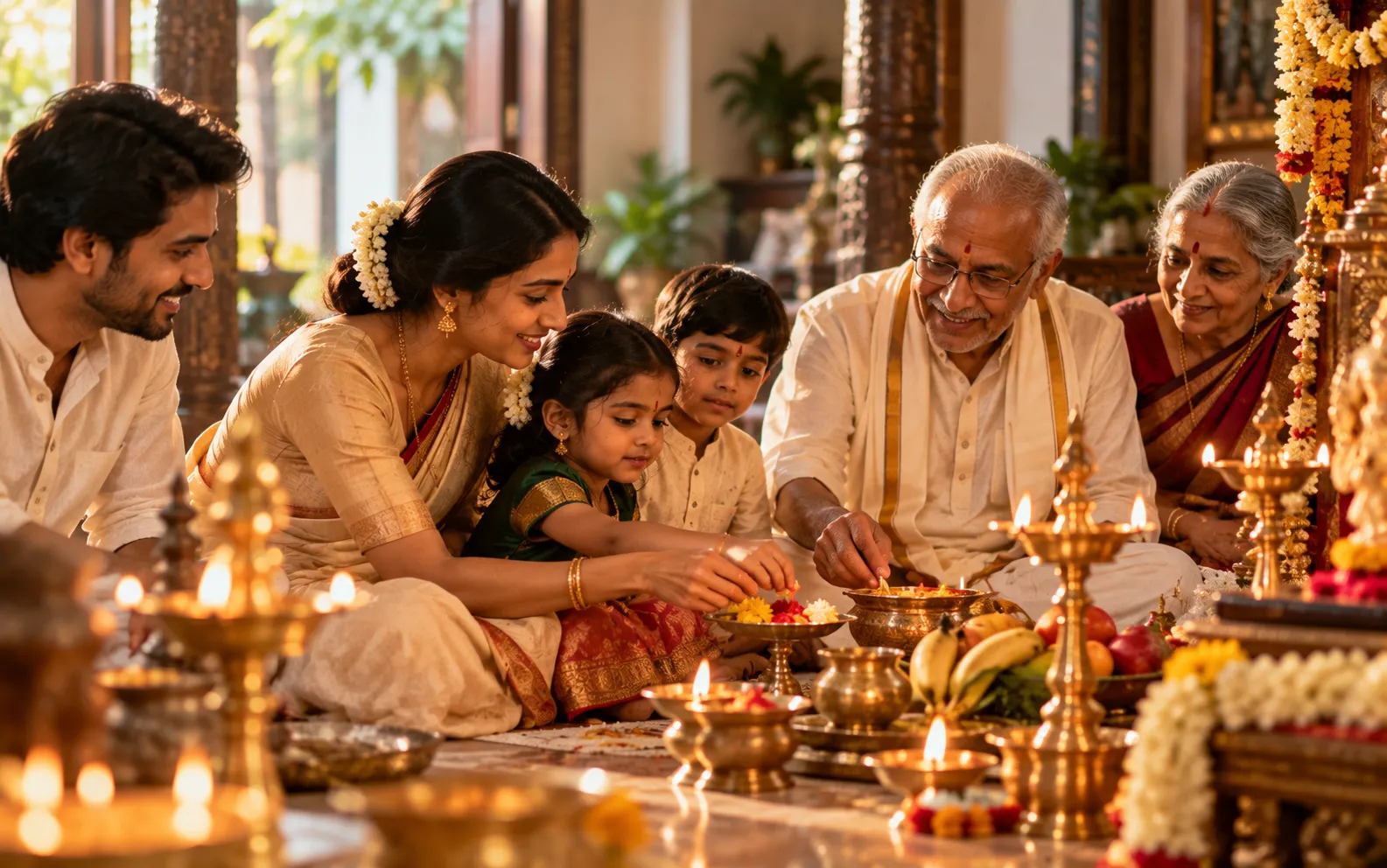
A first-birthday havan need not be elaborate. A small kund (fire altar), samagri such as ghee, rice, sesame and dried herbs, a few flowers and a sweet offering are enough. The ceremony usually lasts under an hour. The parents take a sankalpa, the formal statement of intention, naming the child, the family gotra and the purpose of the rite. The child is blessed by the elders, often with akshata (unbroken rice mixed with turmeric) sprinkled over the head, and new clothes are worn.
With very young children, timing matters more than ritual detail. Choose a morning hour when the child is usually rested and fed. A good priest will keep the rite brief if the child grows restless, and no one should feel embarrassed by tears or noise. A baby is not expected to sit through a havan quietly.
A note for grandparents and parents
Parents sometimes feel pressure to perform every custom both sides of the family remember. It is better to choose one rite and do it with attention than to rush through several. Ask the eldest relatives what they consider essential, and honour that.
If you are planning a first birthday, check the child's janma nakshatra date in advance and decide whether to hold the rite on that day. A practitioner can help you choose a suitable hour and keep the ceremony short, warm and suited to a one-year-old.
Vedic counsel and ritual are traditional and complementary practices — they sit alongside professional medical, legal and financial advice, never as a substitute for it.