Retirement and the Vanaprastha Ideal
The Vedic idea of vanaprastha was never about retreating to a forest. It offers a surprisingly modern way to think about the years after work.
 MyAstro7 Editorial
12 September 2026 · 3 min read
MyAstro7 Editorial
12 September 2026 · 3 min read
The classical Vedic tradition describes four ashramas, or stages of life. Brahmacharya is the stage of study. Grihastha is the householder stage of work, marriage and raising children. Vanaprastha, literally the forest-dweller stage, is a gradual withdrawal from worldly responsibility. Sannyasa is complete renunciation. The scheme is ancient, and few people today follow it literally. Yet as more Indians retire in good health with decades still ahead, the idea of vanaprastha has quietly become useful again.
What vanaprastha originally meant
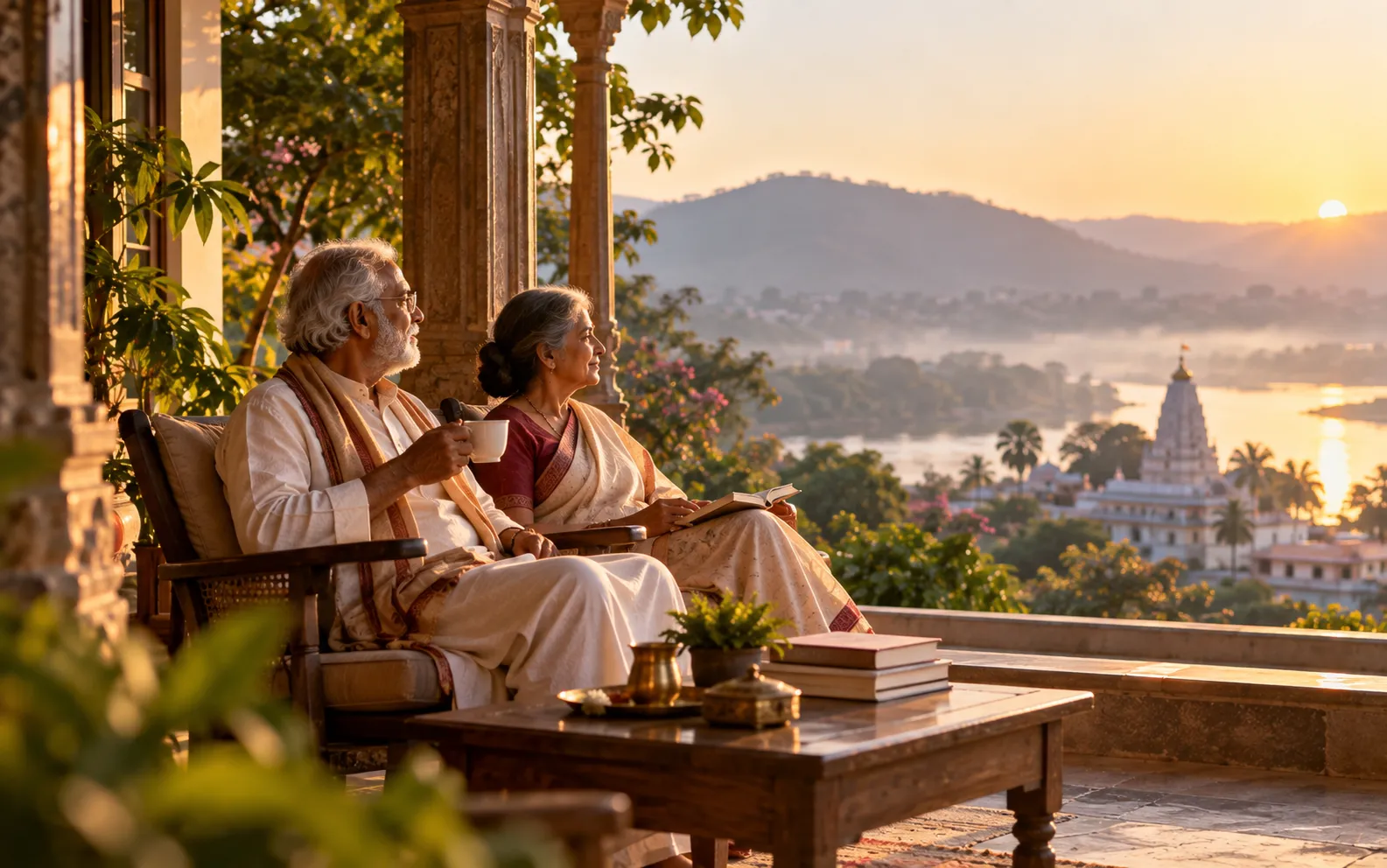
The texts describe a householder who, on seeing grandchildren and grey hair, hands over the management of the household to the next generation and turns attention to study, reflection and spiritual practice. In some accounts the couple leave for a hermitage together; in others, they remain at home but step back from decisions.
The essential idea is not abandonment of family. It is a change of role, from director to elder: available, respected and wise, but no longer in charge of every matter.
Why it speaks to retirement now
Many retirees find the first years after work disorienting. A career gave structure and identity. Suddenly the days are open, and there is a temptation either to drift or to fill the space by managing adult children's lives more closely than they would like.
Vanaprastha offers another model. It suggests that this stage has its own purpose: to deepen understanding, to pass on knowledge, to serve, and to loosen gradually the grip on possessions and control. That is not a recipe for passivity. Many people find it the most interesting stage of their lives.
Vanaprastha is not about leaving the family; it is about loosening one's grip on it so that the next generation can grow.
Practical forms it can take
For some, it means a daily practice: morning sandhya (the traditional prayers at the junctions of the day), study of the Bhagavad Gita or the Upanishads, japa or meditation. For others, it means seva, service, at a temple, a school, a hospital or a charity. Some take up pilgrimage, to the char dham or the jyotirlingas, travelling while health allows.
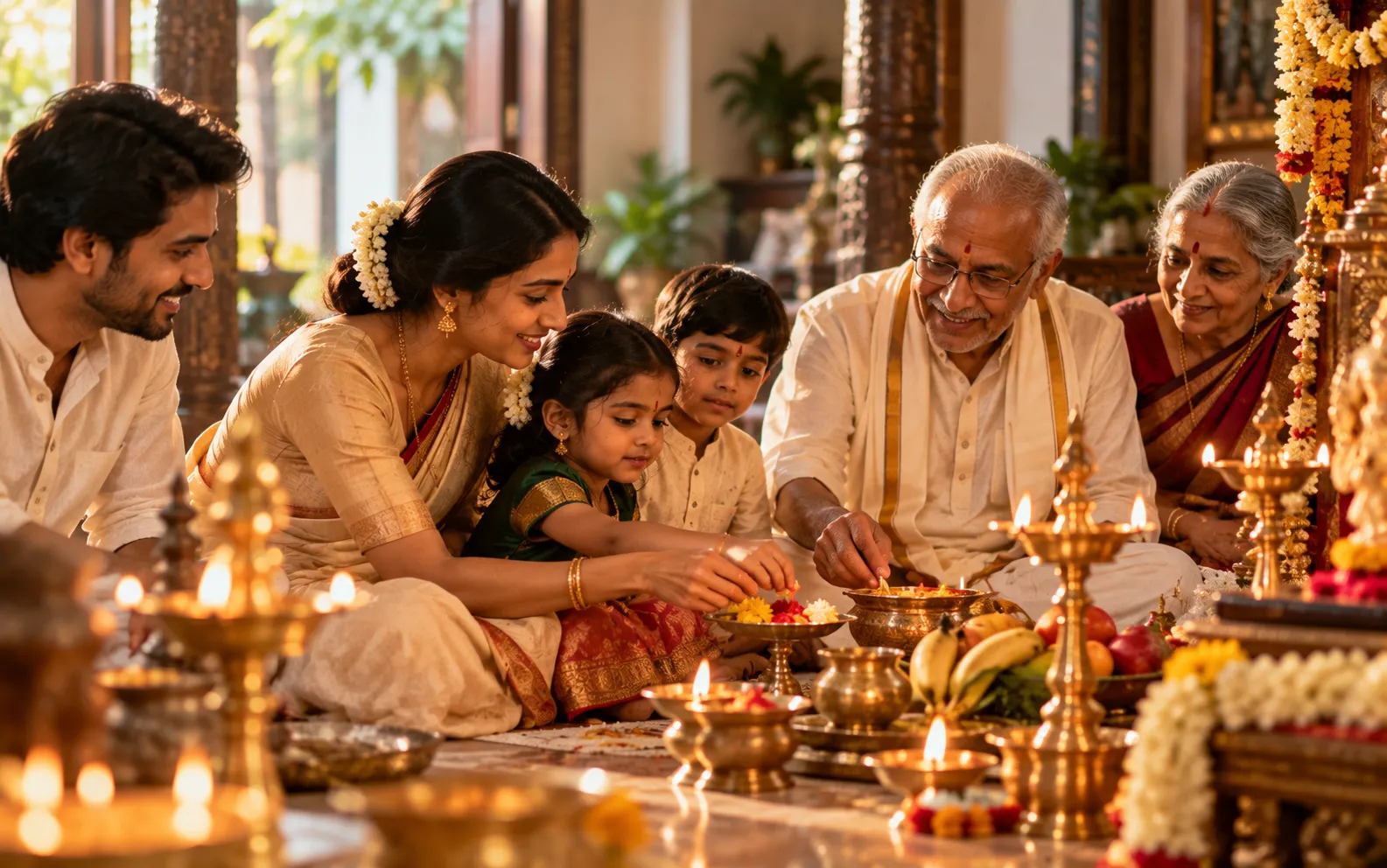
Within the family, it may mean handing over the running of festivals and rituals to children, while remaining the person who knows how they should be done. It may mean deciding, in good time, how property and possessions will pass on, and taking proper legal and financial advice to put a will and other arrangements in order. Clarity on these matters is one of the kindest gifts an elder can give.
A word on health and companionship
The tradition imagined vanaprastha as a calm and voluntary stage. In reality, later life can bring illness, bereavement and loneliness. Spiritual practice can be a real support, but it does not replace medical care, regular check-ups or the company of friends. Retirees who stay physically active and socially connected tend to find reflection easier, not harder.
If you are approaching retirement, or recently retired, consider writing a simple plan for the coming years: one daily practice, one form of service, one thing you will hand over to the next generation, and the practical affairs you will put in order. Some people find a conversation with a practitioner helpful in shaping that plan; others simply need a quiet hour and a notebook.
Vedic counsel and ritual are traditional and complementary practices — they sit alongside professional medical, legal and financial advice, never as a substitute for it.