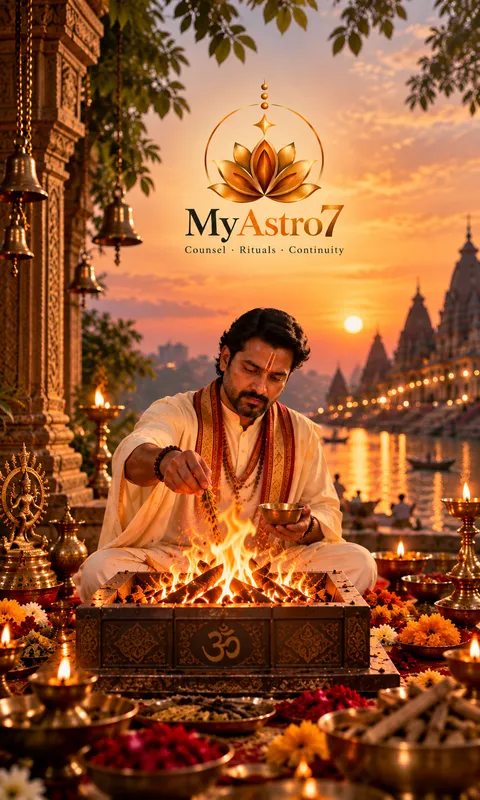
Naming Traditions Across Regions
From the nakshatra syllable of the north to the grandparent's name of the south, how Indian families choose a child's name, and why the customs differ.
 Pandit Mahesh Joshi
3 October 2024 · 3 min read
Pandit Mahesh Joshi
3 October 2024 · 3 min read
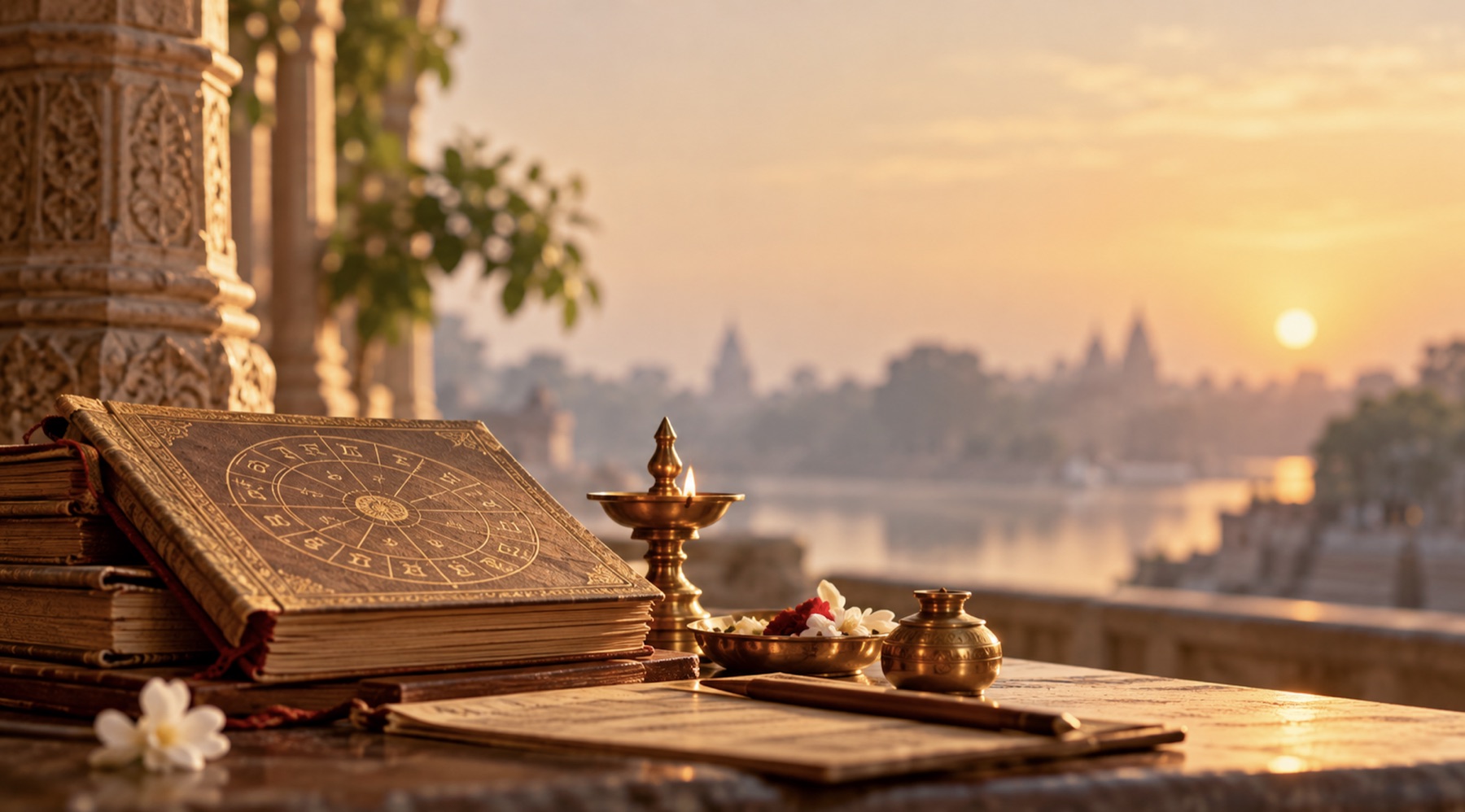
Namkaran, the naming ceremony, is one of the sixteen samskaras, the rites of passage that traditionally mark a Hindu life from conception to death. It is also one of the most joyful. I perform namkaran ceremonies regularly in Rishikesh, and families often arrive with lists of names, arguments between grandparents and a gentle anxiety about doing it properly.
What many are surprised to learn is how much the tradition varies across India. There is no single correct way to choose a name.
The nakshatra syllable
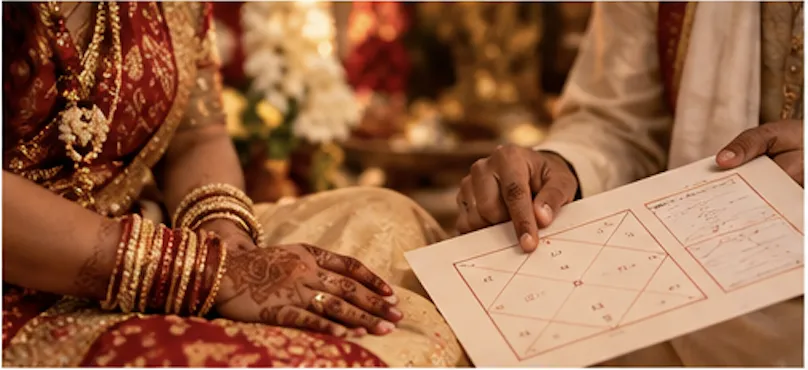
In much of North and Western India, the starting point is the child's janma nakshatra, the lunar mansion the Moon occupied at birth. Each of the twenty-seven nakshatras is divided into four padas (quarters), and each pada is associated with a syllable. A child born in the second pada of Rohini, for example, might be given a name beginning with Va. The jyotishi calculates this from the birth time and offers the syllable to the family.
Many families treat this as guidance rather than rule. Some give the nakshatra name as a private or ritual name, used in ceremonies and sankalpa (the formal statement of intention in a puja), while the child is known by another name in daily life.
Lineage names in the south
In many South Indian families, particularly in Tamil Nadu, Karnataka and Andhra Pradesh, the first son is traditionally named after the paternal grandfather and the first daughter after the paternal grandmother, with later children named after maternal grandparents. The name carries the lineage forward and honours elders directly. The family deity's name is also commonly given, so a child may be named for Venkateswara, Murugan or Meenakshi.
In Bengal and parts of the east, a daak naam, an affectionate home name, often sits beside the bhalo naam, the formal name. Both are loved; they simply belong to different rooms of life.
A name is the first sankalpa a family makes on a child's behalf, a wish spoken aloud for the person they will become.
Timing of the ceremony
The Grihya Sutras suggest the tenth, eleventh or twelfth day after birth, after the period of ritual seclusion following childbirth. Some families wait until the twenty-first day, or longer, for practical reasons or because of regional custom. A practitioner can suggest a suitable day by looking at the tithi and nakshatra, avoiding days traditionally considered unsuitable such as amavasya (new moon).
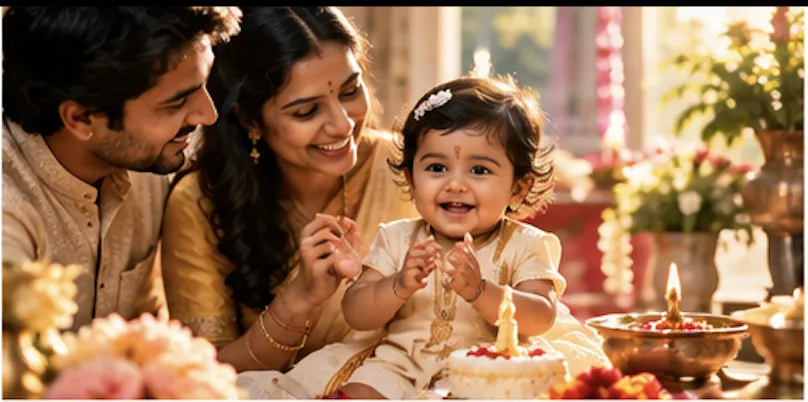
The ceremony itself is usually simple: a small havan, prayers to the family deity, the father or an elder whispering the name into the child's right ear, and then announcing it to the gathered family. In some households the name is written in rice on a brass plate.
Making the choice
The best names I see chosen balance meaning, sound and family feeling. Look at what the name means in Sanskrit or the regional language, how it sounds with the family name, and how it will travel, particularly if the child may grow up abroad. Speak to the grandparents early; a name they feel included in will be said with love for decades.
If you are preparing for a namkaran, ask a practitioner for the nakshatra syllable as soon as you can after the birth, then take your time over the shortlist. The ceremony itself takes an hour; the name lasts a lifetime.
Vedic counsel and ritual are traditional and complementary practices — they sit alongside professional medical, legal and financial advice, never as a substitute for it.