Namkaran: Naming a Child
Namkaran is often the first ceremony of a child's life. How the day is chosen, why the nakshatra may suggest a first syllable, and what the ritual involves.
 Pandit Mahesh Joshi
29 December 2025 · 3 min read
Pandit Mahesh Joshi
29 December 2025 · 3 min read

Namkaran, or Namakarana, is the naming ceremony, and for many families it is the first ritual of a child's life with guests present. It is one of the sixteen samskaras, the traditional rites of passage, and it is among the most joyful. Grandparents arrive, the house fills, and the child's name is spoken aloud, often for the first time, in the presence of the family and the deities.
The ritual reflects an old understanding that a name is not merely a label. It is the sound a person will hear thousands of times a day for the rest of their life, the word by which others will call them and by which they will be remembered. Choosing it with care, and giving it formally, is a way of welcoming the child into the family and its traditions.
When it is held
The texts most often give the eleventh or twelfth day after birth, once the period of ritual impurity associated with birth, sutak, has ended. In practice the timing varies by community: some families hold it on the tenth day, some after a month, and some at the end of the third month or on the first birthday. Many families now choose a convenient date close to the traditional one, and a priest can identify a suitable muhurat, considering the tithi, the weekday and the nakshatra of the day.
Choosing the name
In many families the first syllable of the name is drawn from the child's janma nakshatra, the lunar mansion in which the Moon was placed at birth. Each of the twenty-seven nakshatras is divided into four padas, or quarters, and each pada is associated with a particular syllable. A child born in the first pada of Ashwini, for instance, is traditionally associated with the syllable "Chu"; one born in Rohini may be given a syllable such as "O", "Va", "Vi" or "Vu" depending on the pada. A priest or jyotishi can tell you the syllable from the birth details.
Families often keep this nakshatra name as a private or ritual name while choosing a different everyday name, and both are perfectly traditional. Other considerations include the meaning of the name, its sound, family custom, a deity the family worships, and simply what the parents love.
A name chosen with care is the first blessing a child carries with them everywhere.
The ceremony
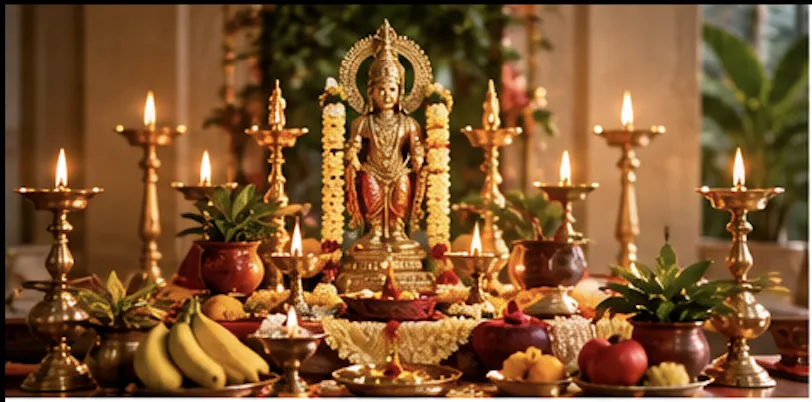
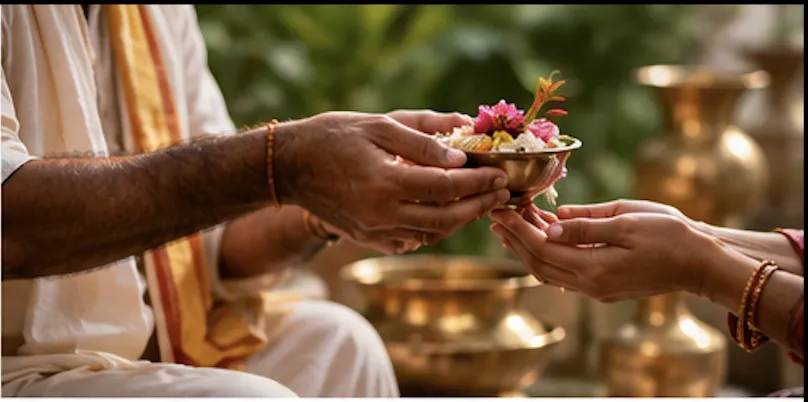
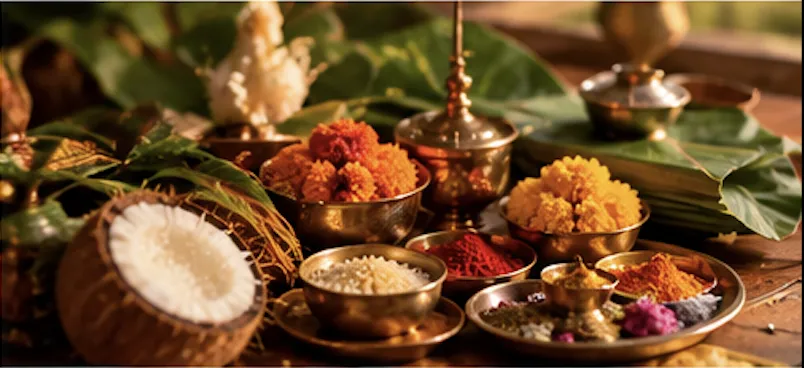
The ritual usually begins with Ganesh puja and a sankalpa, the statement of the family's names, gotra and the purpose of the ceremony. The child, freshly bathed and dressed, is placed in the father's or mother's lap. A small havan may be performed, with offerings for the child's health and long life. In many traditions the father whispers the chosen name into the child's right ear, sometimes writing it in rice on a plate or a brass tray. The name is then announced to those gathered, and elders bless the child, often placing a little honey on the tongue or touching the forehead.
Regional customs add their own colour: placing the child in a cradle for the first time, the paternal aunt choosing or announcing the name, or a feast for family and neighbours.
Keeping it gentle
A newborn tires quickly. A good priest will keep the ritual short, perhaps forty minutes to an hour, plan around feeding and sleep, and keep smoke from any havan away from the child. Parents should feel free to ask for this. The mother, still recovering, should be comfortable and seated throughout.
If you are planning a namkaran, gather the birth details for the nakshatra syllable, decide whether you want one name or two, and speak to your priest about the customs your family follows. The ceremony itself is simple. What makes it memorable is the gathering of people who will watch that child grow.
Vedic counsel and ritual are traditional and complementary practices — they sit alongside professional medical, legal and financial advice, never as a substitute for it.