Sacred Rivers: The Ganga in Ritual Life
From a few drops in the sankalpa to the last rites at Haridwar, the Ganga runs through Hindu ritual. A priest on her banks explains why.
 Pandit Suresh Tripathi
19 August 2025 · 3 min read
Pandit Suresh Tripathi
19 August 2025 · 3 min read
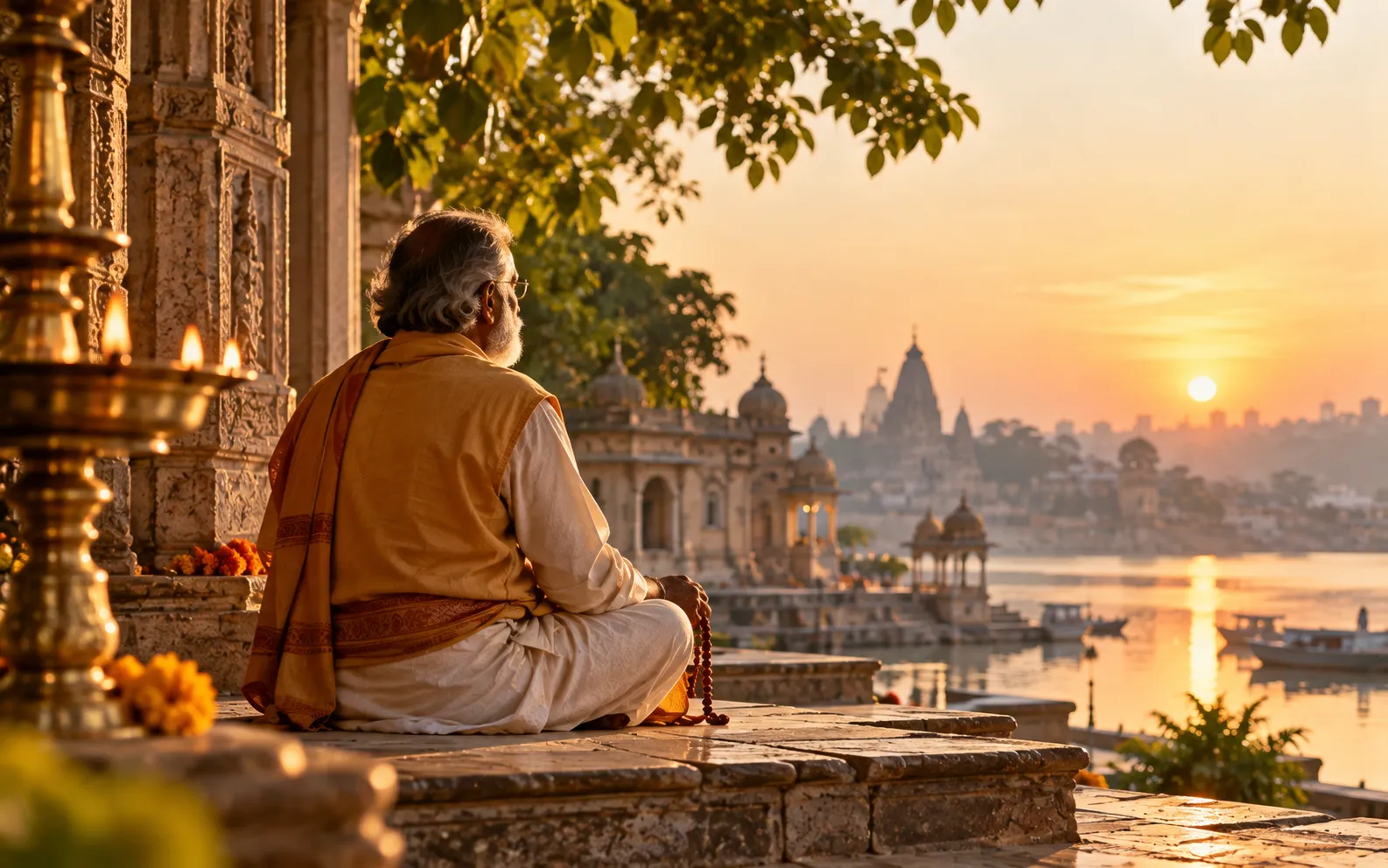
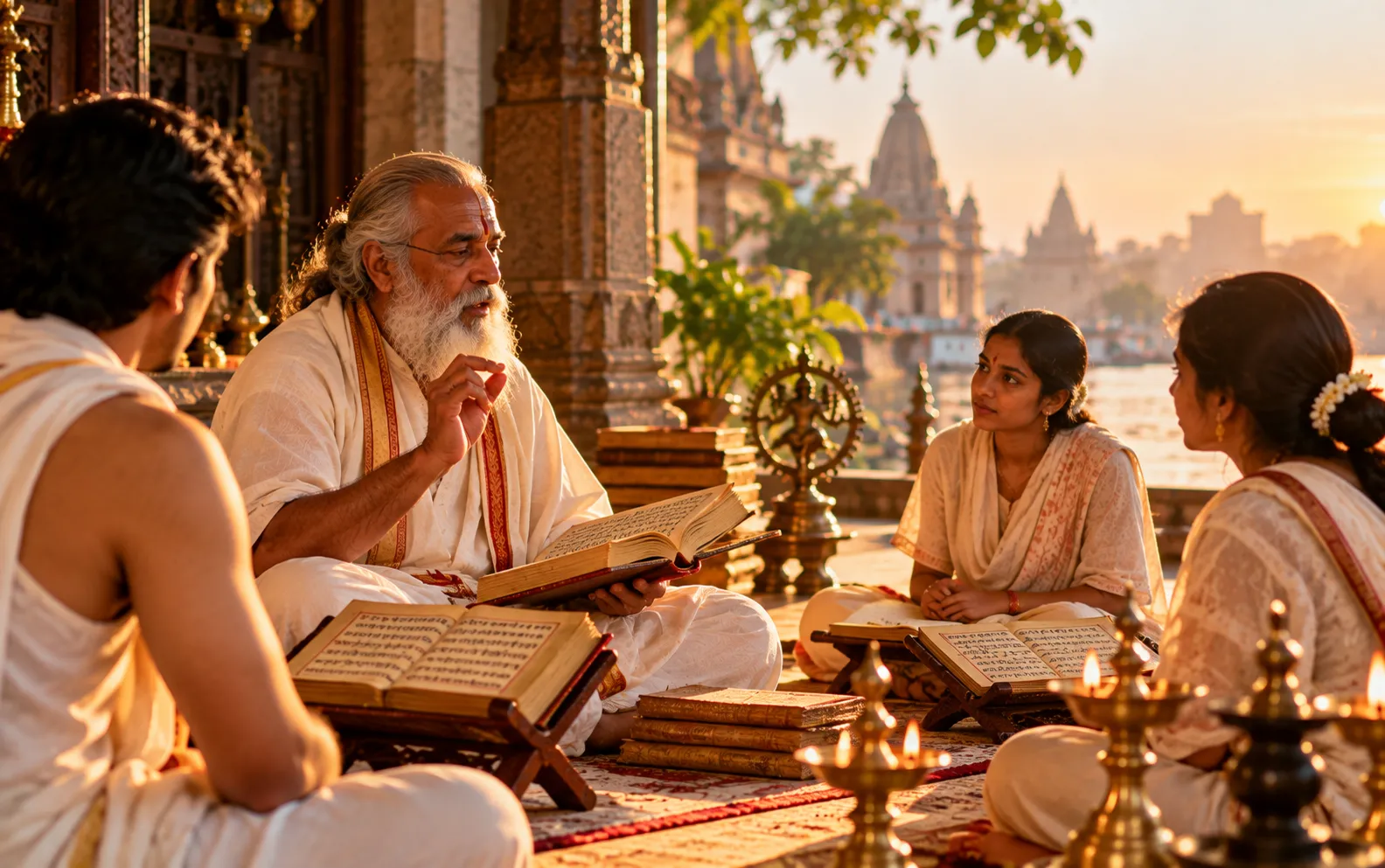
I have spent most of my working life on the ghats at Haridwar, where the Ganga leaves the hills and enters the plains. Every day families arrive carrying urns of ashes, or small copper vessels to fill and take home, or simply the wish to bathe once in their lives. They come from Kerala, from Toronto, from villages a few kilometres away. What they share is a sense that this river is not only water.
It is worth explaining, plainly, what the Ganga does in ritual, and what it does not.
A river that comes into every puja
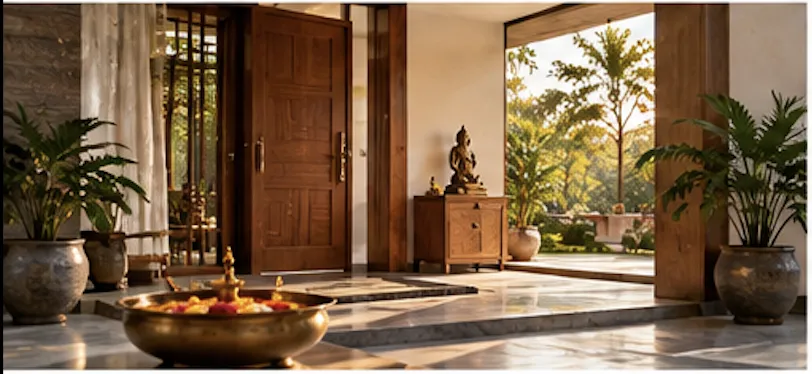
Even a family that has never visited the Ganga uses her. In almost every puja the priest begins with achamana, sipping water three times for purification, and with the sankalpa, the formal statement of intention, made with water held in the palm. Wherever possible that water is Ganga jal, kept in a sealed vessel in the home shrine. When it is not available, the priest invokes the sacred rivers into ordinary water with a verse naming the Ganga, Yamuna, Godavari, Saraswati, Narmada, Sindhu and Kaveri. The tradition never insisted that only one physical river would do; it insisted that water used in worship be treated as sacred.
The river's story is told in the Puranas: King Bhagiratha's long penance to bring her down from the heavens to release the souls of his ancestors, and Shiva catching her in his matted hair so the earth would not be shattered. The river that forms at Devprayag, where the Bhagirathi meets the Alaknanda, still carries the king's name in its upper course.
The river and the last rites
The Ganga's most serious role is in antim sanskar, the final rites. Asthi visarjan, the immersion of ashes, at Haridwar, Prayagraj or Varanasi is understood to complete the body's return to the elements. Pind daan, the offering of rice balls to the departed, and the annual shraddha are often performed on her banks. Many families here keep genealogical registers with the pandas, hereditary priests, going back generations; grandchildren sometimes find their great-grandfather's signature on a page.
The tradition never insisted that only one river would do; it insisted that water used in worship be treated as sacred.
None of this is a requirement for moksha or for the peace of the departed. Scripture is clear that sincere rites performed anywhere, with the right intention, are valid. The Ganga is a place of great concentration of meaning, not a gate that excludes those who cannot reach it.
Respecting the river we revere
It would be dishonest to write about the Ganga without saying that she is under strain. Plastic, flowers wrapped in polythene, chemical idols and untreated sewage all reach the water. A family that reveres the river should bring nothing to her that she cannot absorb: no plastic bags, no synthetic cloth, no excess. Many ghats now have collection points for flowers and offerings. Use them.
If you are planning to visit for asthi visarjan or pind daan, write down the full names of the departed, their gotra if known, and the date of death by both calendars. Bring a simple white cloth and very little else. A priest on the ghat will guide the rest. And if travel is impossible, ask your local pandit about performing the rites at home with Ganga jal; it is a well-established and fully respected alternative.
Vedic counsel and ritual are traditional and complementary practices — they sit alongside professional medical, legal and financial advice, never as a substitute for it.