

The Family Deity (Kul Devta) and Lineage Practice
Many families have a kul devta they visit only at weddings and mundans. What the family deity means, how to find yours, and how to keep the link alive.
 Pandit Shivkumar Iyer
26 March 2026 · 3 min read
Pandit Shivkumar Iyer
26 March 2026 · 3 min read
Many Hindu families have a kul devta or kula devata, a family deity worshipped by the lineage for generations. For one family it is a form of Durga in a village temple in Himachal; for another, a form of Shiva in coastal Karnataka; for a Tamil family, often a local form of Ayyanar, Murugan or the Goddess. In Kanchipuram I meet families who have travelled a long way to a temple their grandparents knew well but they themselves have never seen.
The practice is old and deeply rooted, yet it is also one of the first to fade when families move to cities and abroad.
What the kul devta is
The kul devta is understood as the protector of the family line, the deity to whom the lineage first turned and who has, in the family's understanding, watched over it since. The kul devta is usually distinct from the ishta devata, the personal deity each individual feels drawn to. A person may be a devotee of Krishna while their family deity is a form of Kali, and there is no conflict in that.
The family deity is typically associated with a particular temple or shrine, often in the ancestral village. The link passes down the paternal line in most communities; a woman traditionally adopts her husband's kul devta on marriage, while continuing to honour her birth family's deity in her own way.
When families visit
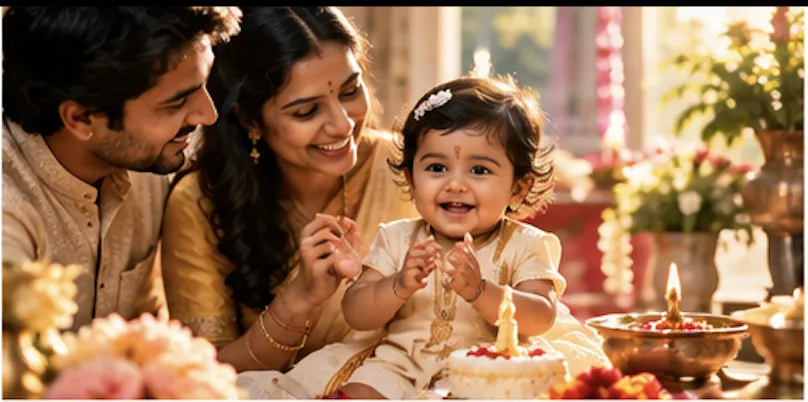
Traditionally, the kul devta is honoured before any major family undertaking. Many families visit for a child's mundan, the first shaving of the head, or offer the first hair at the temple. Wedding invitations are often first placed before the family deity. After a birth, a marriage or recovery from illness, a visit of thanksgiving is common.
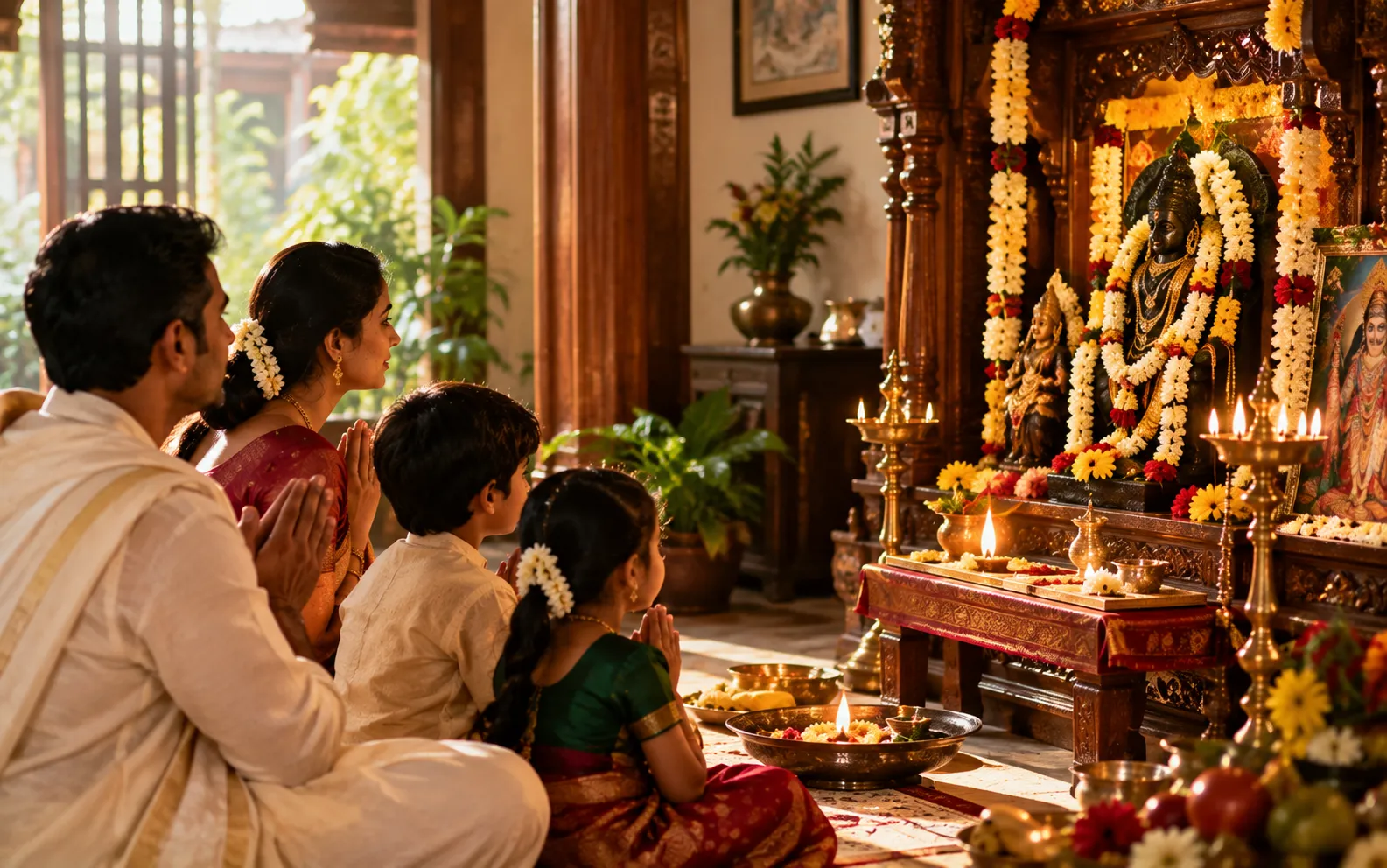
Many families also keep a small image or photograph of the kul devta in the home shrine and include the deity's name in the sankalpa, the statement of intention made at the start of any puja.
The family deity is the oldest member of the household, and the one most often forgotten when the family moves away.
When the deity is unknown
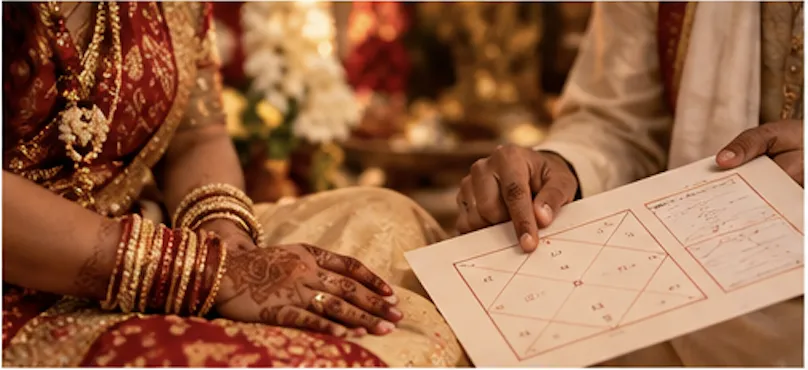
It is quite common for a family to have lost the knowledge, perhaps after migration or the early death of grandparents. The best first step is to ask the eldest relatives on the father's side, and to look for clues in family records, old wedding cards or the village of origin. Community associations and the priests of the ancestral region often know which deities particular gotras or families traditionally worship.
Some astrologers claim to determine the kul devta from a birth chart. I would be cautious here. Family memory and records are far more reliable than any astrological inference, and the tradition itself teaches that, where the deity truly cannot be found, sincere prayer to one's ishta devata, or to Ganesha, is accepted.
Keeping the link alive
A visit to the kul devta temple once every few years, with children, does more than any ritual at home. Where travel is difficult, a family can arrange for a puja to be performed on their behalf, and make a contribution to the temple's upkeep. Writing down the deity's name, temple location and the customs associated with it, and passing that note to the next generation, may be the most useful act of all.
If you are unsure of your family deity, start by calling your eldest relatives this month and asking. Their answers, recorded carefully, will help your family keep a link that took centuries to form.
Vedic counsel and ritual are traditional and complementary practices — they sit alongside professional medical, legal and financial advice, never as a substitute for it.